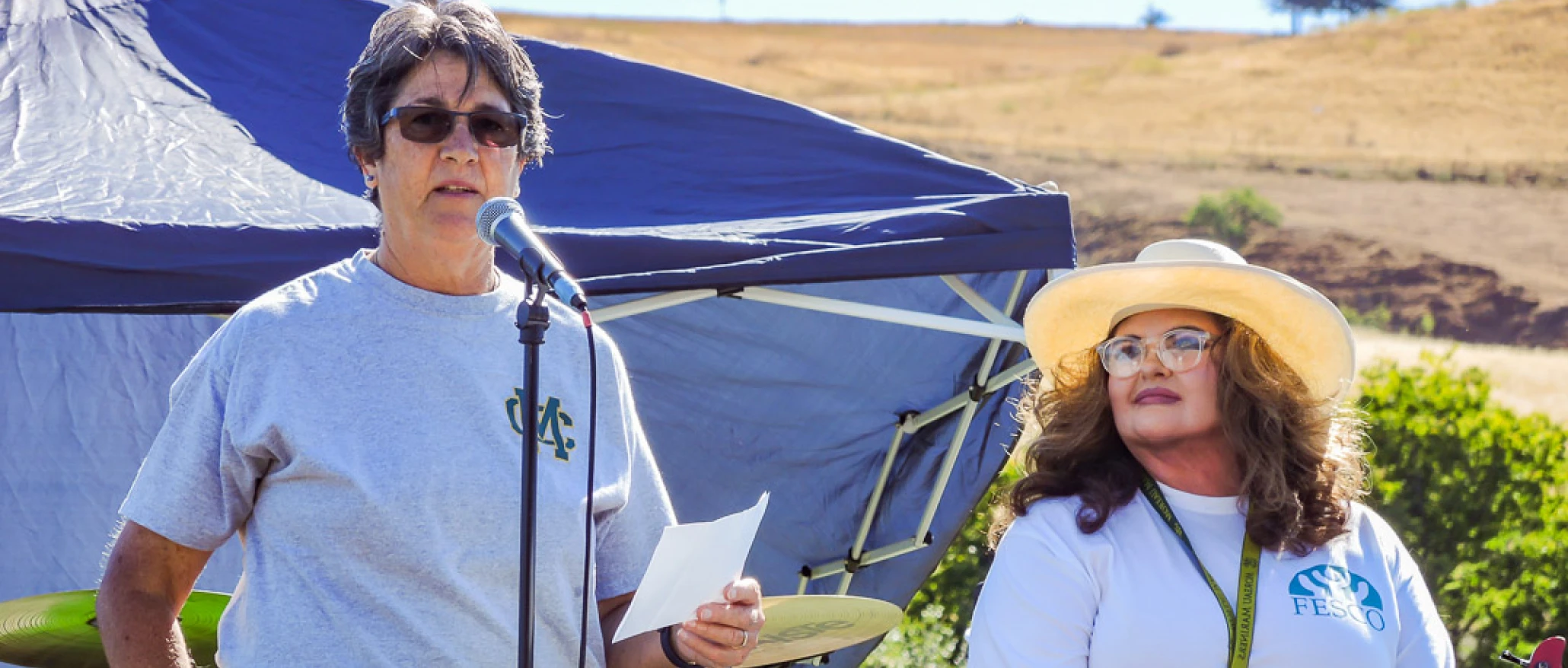
Family Emergency Shelter Coalition (FESCO) is on a mission to support homeless families, with the support of the community, as they move from crisis to stability, end their homelessness, and find a place called home.
Since 1986, FESCO has built a community of organizations and people, just like you, that pool our resources to give these families a fighting chance though emergency shelters, transitional living homes, and supportive programs and training.
Who We Are
Shelter & services to create stable homes for families
The Family Emergency Shelter Coalition (FESCO) is an Alameda County nonprofit organization dedicated to helping homeless families move to self-sufficiency.
We are a coalition of 23 local churches and community members. We are the only shelter in our area that enables families with fathers and teenage sons to stay together during a crisis of homelessness. We serve 80 families per year, most of whom move to permanent housing after their stay. Two-thirds of our residents are children.
Our team members have worked to successfully help connect people to housing for over 35 years and many of them have personally experienced homelessness, either directly or within their families. This creates a space where you can get what you need and begin to replace fear and uncertainty with hope for the future.
Family Emergency Shelter Coalition (FESCO) is on a mission to support homeless families, with the support of the community, as they move from crisis to stability, end their homelessness, and find a place called home.
Our Core Beliefs
In the execution of its mission, FESCO is motivated by the following core beliefs:
Communities have a responsibility to ensure that every child has a safe and decent place to live and sufficient nutrition to thrive.
Self-reliance creates self-respect, which strengthens families, individuals, and communities.
All people, regardless of their circumstances, deserve to be treated with respect, fairness, dignity.
Accountability is fundamental to the success of the people we serve and our organization.
Our values
Belonging
We help those around us feel important, connected, and confident in a community of hope. This sense of belonging is rooted in compassion and respect for shared cultures, values, and lived experiences.
Social Justice
We amplify the voices of our community to fight for systems, policies, opportunities, and services that promote social and economic justice and improve the quality of life for all.
Self-Determination
We help people recognize and build on their talents, strengths, and goals to enhance their self-determination, leadership, and power.
Partnership
We engaged in meaningful partnerships with organizations, communities, and the people we serve.
Integrity
We hold ourselves to the highest standards of respect, truthfulness, follow through, and accountability. As a result, we achieve measurable results for the people and communities we serve.
Our History
FESCO was founded in 1986 by a passionate coalition of everyday people just like you. These community members/churches banded together to address their concerns about the growing number of families falling into homelessness in Mid-Alameda County. In its founding documents, special emphasis was placed on keeping families together during their period of homelessness. Thus, in addition to serving single mothers with children, your support helps us to serve single fathers, two-parent families with children, and families that include a teenage boy.
FESCO is currently comprised of over 22 churches/community members in Mid-Alameda County, most located/living/working in Hayward. Your impact allows FESCO to provide low/extremely low-income homeless families with food, emergency, transitional, permanent housing, and supportive services in furtherance of its mission to move these families toward self-sufficiency.
Our Leadership
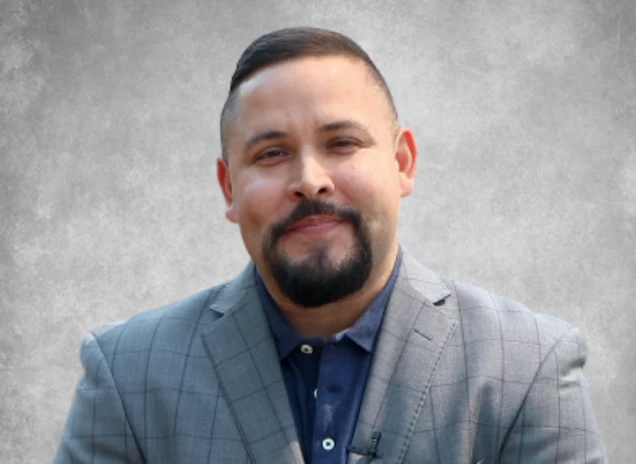
Aaron Ortiz
CHIEF EXECUTIVE OFFICER
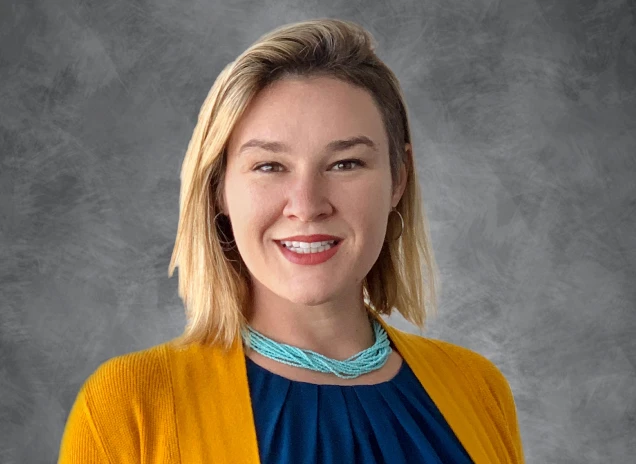
Jennifer Ellis
Chief Strategy Officer
Stephanie Miller
Development Director
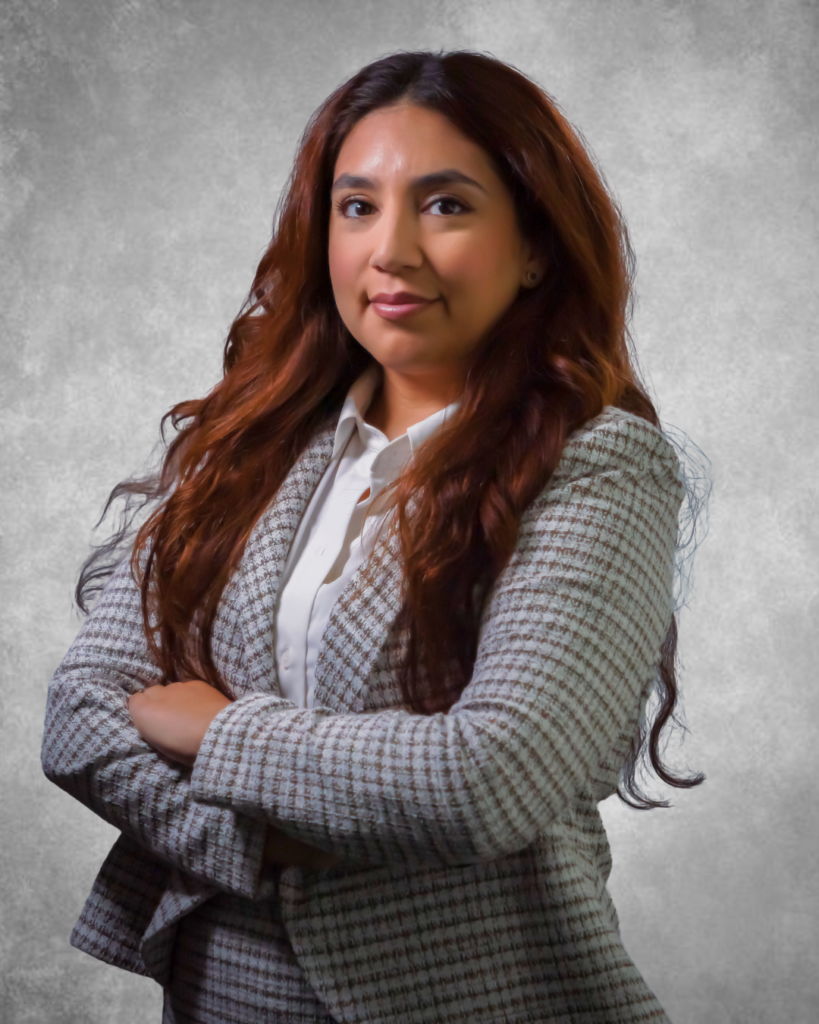
Alejandra Ramirez
Development AssOCIATE
Our Board of Directors
Agustin Arteaga Jr., MPA-HCA
Board Chair Manager Public Works Coordinator AT&T
René F. Macias, MS-HCA
Board Secretary Health Services Manager Eastmont Wellness Center HEAL Alameda Health System
Elgin Lowe
Senior Deputy District Attorney Alameda County District Attorney's Office
Gabriel A. Arteaga, Ed.D.
Director
American Association of State Colleges and Universities
The Democracy Commitment
We use cookies on our website to give you the most relevant experience by remembering your preferences and repeat visits. By clicking “Accept All”, you consent to the use of ALL the cookies. However, you may visit "Cookie Settings" to provide a controlled consent.
This website uses cookies to improve your experience while you navigate through the website. Out of these, the cookies that are categorized as necessary are stored on your browser as they are essential for the working of basic functionalities of the website. We also use third-party cookies that help us analyze and understand how you use this website. These cookies will be stored in your browser only with your consent. You also have the option to opt-out of these cookies. But opting out of some of these cookies may affect your browsing experience.
Necessary cookies are absolutely essential for the website to function properly. These cookies ensure basic functionalities and security features of the website, anonymously.
Cookie
Duration
Description
cookielawinfo-checkbox-analytics
11 months
This cookie is set by GDPR Cookie Consent plugin. The cookie is used to store the user consent for the cookies in the category "Analytics".
cookielawinfo-checkbox-functional
11 months
The cookie is set by GDPR cookie consent to record the user consent for the cookies in the category "Functional".
cookielawinfo-checkbox-necessary
11 months
This cookie is set by GDPR Cookie Consent plugin. The cookies is used to store the user consent for the cookies in the category "Necessary".
cookielawinfo-checkbox-others
11 months
This cookie is set by GDPR Cookie Consent plugin. The cookie is used to store the user consent for the cookies in the category "Other.
cookielawinfo-checkbox-performance
11 months
This cookie is set by GDPR Cookie Consent plugin. The cookie is used to store the user consent for the cookies in the category "Performance".
viewed_cookie_policy
11 months
The cookie is set by the GDPR Cookie Consent plugin and is used to store whether or not user has consented to the use of cookies. It does not store any personal data.
Functional cookies help to perform certain functionalities like sharing the content of the website on social media platforms, collect feedbacks, and other third-party features.
Performance cookies are used to understand and analyze the key performance indexes of the website which helps in delivering a better user experience for the visitors.
Analytical cookies are used to understand how visitors interact with the website. These cookies help provide information on metrics the number of visitors, bounce rate, traffic source, etc.
Advertisement cookies are used to provide visitors with relevant ads and marketing campaigns. These cookies track visitors across websites and collect information to provide customized ads.